






Overview
In 2026, sustainable decor trends will take center stage, including the use of natural materials, upcycling, earthy color tones, and ecological textiles. Plants and handcrafted products are gaining importance, while minimalist and cozy design patterns will shape living spaces. The goal is to create stylish and environmentally friendly living environments.
Table of Contents
- Natural Materials in Focus
- Advantages of Natural Materials
- Upcycling as a Creative Element
- How Does Upcycling Work?
- Atmospheric Colors of Nature
- Color Tones for Design
- Sustainable Light Sources
- Tips for Lighting Design
- Minimalism Meets Coziness
- Choosing the Perfect Furnishings
- Plants and Greenery for a Fresh Home
- Plants for Every Room
- Ecological Textiles on the Rise
- What to Look Out For?
- The Return of Craftsmanship
- Advantages of Handcrafted Products
Key Takeaways
- Sustainable Materials: Wood, stone, cotton, and linen are the preferred materials for eco-friendly decor.
- Upcycling Trend: Creative reuse of old items brings individuality to every room.
- Earth Tones and Soft Greens: These colors create a calming atmosphere and evoke nature.
- Energy-Efficient Lighting: LED lamps and solar lights are the sustainable light sources of the future.
- Minimalism with Coziness: Simple decor combined with soft textiles creates a harmonious living atmosphere.
- Plant Integration: Houseplants improve air quality and bring life into rooms.
- Craftsmanship: Handcrafted decorative objects support local businesses and give your home a unique charm.
In 2026, the design of our living spaces will again be shaped by a growing awareness of sustainability. In view of the increasing challenges posed by climate change, sustainable decor trends are becoming increasingly important. In this article, we would like to present the latest and most sustainable decor trends that are not only environmentally friendly but also have the potential to style your living space in a fashionable way.
Natural Materials in Focus
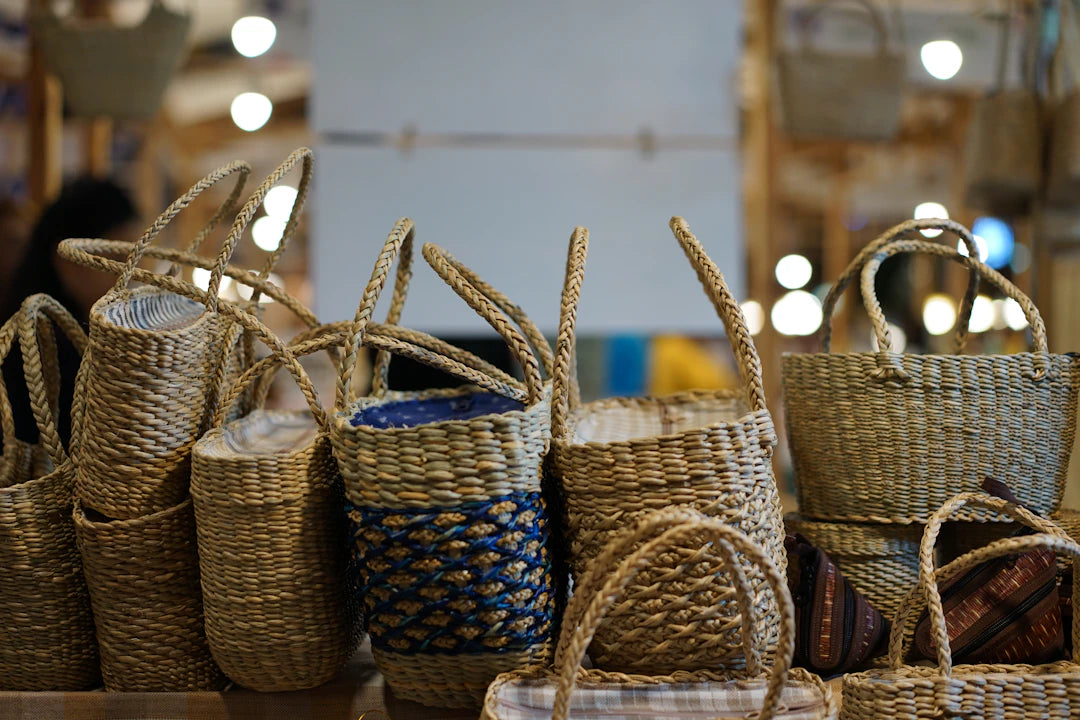
One of the prominent trends for 2026 is the use of natural materials. Products made from wood, stone, cotton, and linen are not only durable but also contribute to reducing the ecological footprint. Furniture and decorative items made from recycled wood, in particular, are enjoying increasing popularity.
Advantages of Natural Materials
- Aesthetics: Natural materials lend a warm and inviting atmosphere to any room.
- Sustainability: They are biodegradable and contribute to waste reduction.
- Health: Many plastics contain harmful chemicals, while natural materials are safer for your home.
Upcycling as a Creative Element
Upcycling will also play an important role in 2026. This involves the creative reuse of old items. Whether it's furniture, decoration, or other household items, upcycling makes it possible to bring uniqueness and character to any room. A practical tray for the household can be transformed into a real eye-catcher through upcycling – creatively designed and environmentally friendly at the same time.
How Does Upcycling Work?
The possibilities of upcycling are almost limitless. Here are some inspiring ideas:
- Turn old jars into stylish vases.
- Use pallets as furniture or wall shelves.
- Create your own artworks from old records or photos.
Atmospheric Colors of Nature
In 2026, the palette of interior design will increasingly be characterized by earthy tones and soft green hues. These colors evoke nature and create a calming environment. Accent colors such as soft blue or warm terracotta can also help to give your room a fresh and contemporary look.
Color Tones for Design
Here are some of the best color tones you should consider for your 2026 decor:
- Olive Green: Ideal for accent walls or floral decorations.
- Earth Brown: Perfect for furniture and larger decorative elements.
- Sky Blue: For a cool, relaxing effect in all rooms.
Sustainable Light Sources
Lighting can have an enormous impact on the atmosphere of a room. In 2026, energy-efficient light sources such as LED lamps and solar lights will be trending. These alternatives, which are not only durable but also environmentally friendly, offer endless possibilities for decoration.
Tips for Lighting Design
- Use dimmable LEDs for atmospheric lighting.
- Create lighting installations with upcycled materials.
- Set accents with special lighting objects or natural lampshades.
Minimalism Meets Coziness
Minimalism has established itself as an influential lifestyle in recent years. In 2026, however, it will be interpreted in a new, cozy way: less is more, yet warm and inviting. Simple decorative elements, combined with soft textiles, create a harmonious balance between functionality and style.
Choosing the Perfect Furnishings
To create balance, you can follow these tips:
- Choose multifunctional pieces of furniture.
- Use subtle decoration to avoid clutter.
- Opt for high-quality, sustainable materials and designs.
Plants and Greenery for a Fresh Home
The integration of plants into interior design will be more important than ever in 2026. Plants not only improve air quality but also lend a vibrant and fresh touch to your room. Many people will continue to show increased interest in urban gardening and easy-care houseplants.
Plants for Every Room
- Good Influence: Houseplants like the rubber tree or the ZZ plant promote a healthy indoor climate.
- Privacy Screen: Large plants like the Monstera are ideal for providing privacy.
- Colorful Accents: Flowers bring color and life to any room.
Ecological Textiles on the Rise
Demand for sustainable textiles will continue to increase significantly in 2026. Organic cotton, linen, and recycled fabrics are excellently suited for curtains, cushions, and blankets. The variations in textures and designs offer creative possibilities to add individuality to your rooms.
What to Look Out For?
- Look for GOTS-certified textiles for the best quality.
- Choose colors and patterns that harmonize with your existing decor.
- Avoid synthetic fabrics that required chemical processes.
The Return of Craftsmanship
Another unmistakable trend will be the appreciation of craftsmanship in home decor. Choose handmade decorative objects that impress with their uniqueness and at the same time support regional craft businesses. These pieces tell stories and give your living space personality.
Advantages of Handcrafted Products
- Unique Charm: Each piece is one of a kind.
- Community Support: Supporting craftsmanship is good for local economies.
- High-Quality Workmanship: Often more durable than industrially manufactured products.
By consciously selecting sustainable decorations, you can not only protect the environment but also create a healthy and stylish home. Visit decorasian.eu to discover more inspiration for your sustainable decor and to personalize your living space. The trends of 2026 offer many ways to transform your home into a green oasis.
Take the opportunity to make individual and sustainable choices in your decor, while simultaneously reducing your ecological footprint. The combination of style and environmental awareness makes your living spaces a place where you feel comfortable – perfectly in line with the trends the future has to offer!
Frequently Asked Questions
1. What are the main decor trends for 2026?
2. What advantages do natural materials offer in the home?
3. How can I implement upcycling in my home?
4. Which colors are recommended for interior design in 2026?
5. How important are plants for interior design in 2026?
Glossary
| Term | Meaning |
|---|---|
| Sustainability | Practices that protect the environment and conserve resources. |
| Upcycling | Creative reuse of old items for new purposes. |
| Natural Materials | Raw materials such as wood, stone, and cotton that are environmentally friendly. |
| Earth Tones | Colors reminiscent of nature, such as brown and green. |
| LED Lamps | Energy-efficient light sources with a long lifespan. |
| Minimalism | A design style that focuses on the essentials while still being inviting. |
| GOTS-certified textiles | Textiles that meet strict ecological and social standards. |
| Craftsmanship | Appreciation and support for locally produced goods. |
| Urban Gardening | Plant cultivation in urban environments, often in small spaces. |
| Low-Maintenance Houseplants | Plants that require little care yet are decorative. |
Related Product

Decorative Tray, naturally braided from seagrass
The "Dekotablett, natürlich geflochten aus Seegras" is a versatile and sustainable addition to any home, measuring 44 x 30 x 6 cm. With its natural look and robust design featuring reinforced handles, it is ideal for serving breakfast in bed or organizing decorative items like plants and magazines. This durable tray is easy to clean and complements various interior styles, enhancing both functionality and aesthetics.
View product